
The Perfect Storm of 2026: Between F1 Innovation and Fear of a Track Disaster
The world of high-performance motorsport is currently mired in a massive controversy that has pitted some of the paddock’s most prominent figures against the sport’s governing body. As the transition to the next generation of power units and aerodynamic packages begins to take shape, tension around the 2026 technical regulations has reached a boiling point.
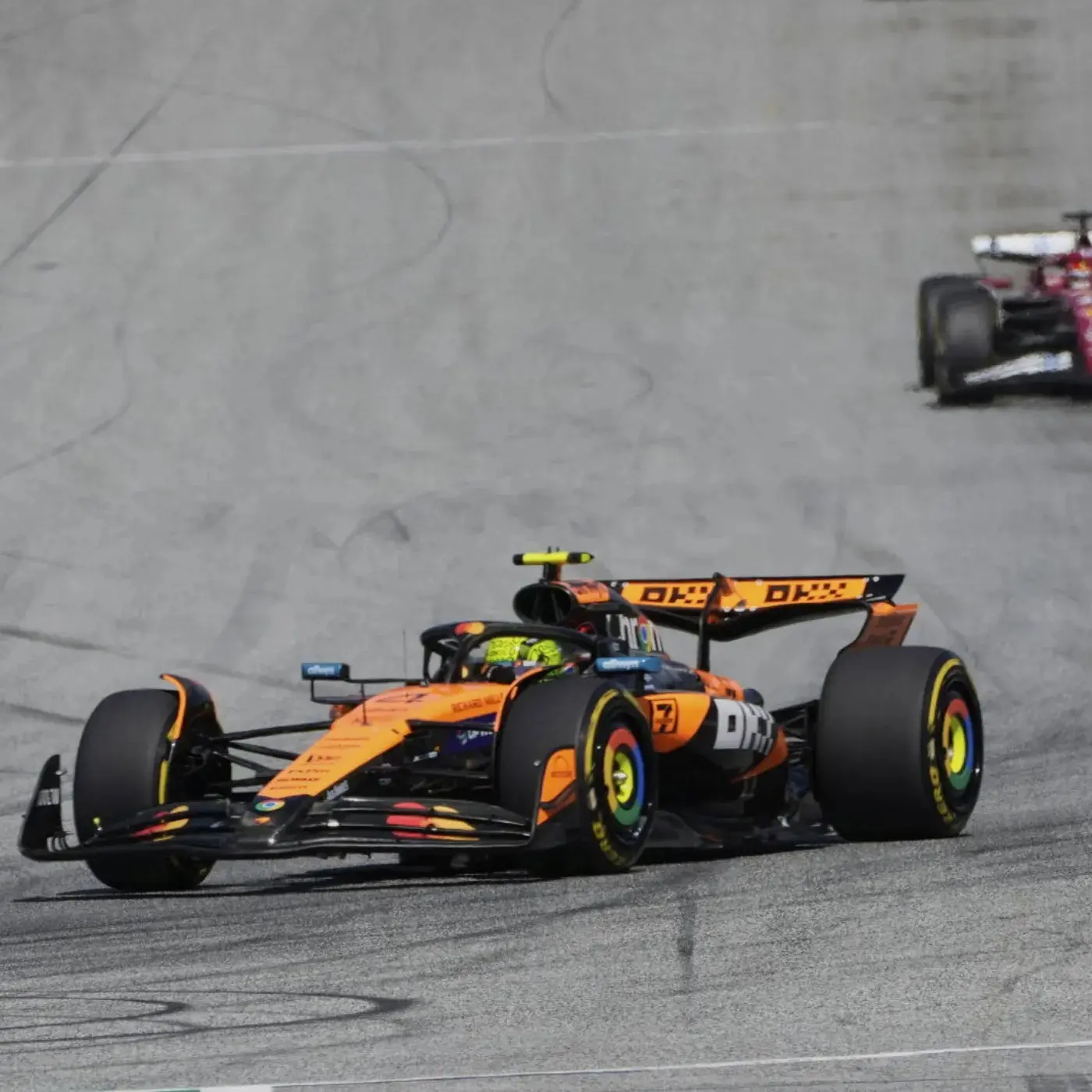
At the center of this storm is the McLaren star, who has never been one to bite his tongue when expressing his concerns about the physical demands of modern machinery.
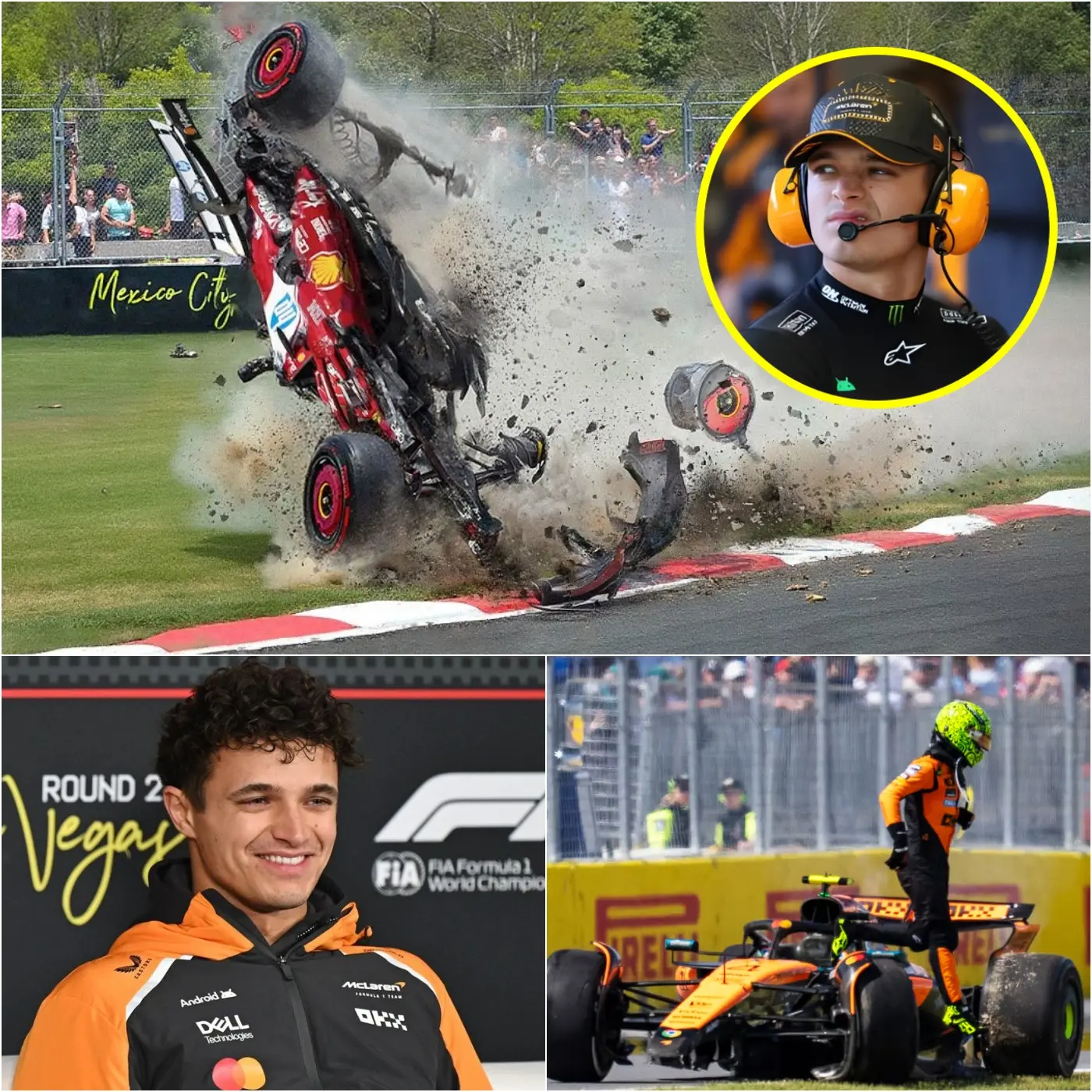
Lando Norris recently caused a stir by issuing a chilling warning: the new rules are effectively putting drivers in danger. His statement, just waiting for a big accident, has resonated both in the stands and in the engineering offices, sparking a fierce debate about the balance between entertainment value and the fundamental safety of competitors. While the FIA maintains that the new era will bring closer racing and better sustainability, cockpit commentary suggests a much scarier reality.
Analysis of Lando Norris’ Concerns
To understand why a driver of his caliber would make such a dramatic claim, it is necessary to look at the specific technical changes that will occur from the 2026 season onwards. The new cars are designed to be smaller and lighter, but rely heavily on a complex interplay between active aerodynamics and a massive increase in electrical power deployment. Lando Norris believes the combination of reduced downforce in high-speed cornering and the unpredictable nature of ERS battery deployment creates a volatile driving environment.
The British driver maintains that the cars have become too nervous at the limit, making them susceptible to sudden whiplash that could lead to a catastrophic crash. When an athlete expresses that they are essentially waiting for a disaster to happen, it signals a breakdown in trust between the athletes and the designers who write the rules. The essence of racing that fans love is being tested by a set of parameters that many feel prioritize corporate sustainability goals over the physical well-being of those behind the wheel.
The War of Words Breaks Out Between Pilots and Managers
The reaction to comments made by Lando Norris was immediate and polarizing within the Formula One community. Although many fans supported his transparency, several key figures within the sport were quick to counter his narrative. Guenther Steiner, the former team principal known for his direct and often colorful language, was one of the first to speak out against the warning. Steiner suggested that the young Briton was going too far and that professional drivers are paid to adapt to the technical challenges presented to them.
According to Steiner, every major regulatory change in the history of the sport has been met with skepticism and current fears are simply a byproduct of the unknown. This public disagreement has created a war of words that highlights the deep divide between the commercial interests of the sport and the safety concerns of the drivers’ association. The tension is palpable, since it is not just about seconds per lap, but about the integrity of the protagonists in circuits that do not forgive mistakes.
Lewis Hamilton and his surprising stance with the FIA
Perhaps the most unexpected twist in this unfolding drama was the position taken by the seven-time world champion. Lewis Hamilton chose to side with the FIA regarding the long-term view of the 2026 rules. Although he has historically been a vocal advocate for driver safety, Hamilton suggested that the move towards more sustainable fuels and efficient hybrid systems is a necessary evolution for the survival of the sport.
His support for the governing body has put him at odds with some of his younger colleagues, who feel the current leadership is compromising the pure racing experience. This divide between the veteran and younger generations of drivers complicates the GPDA’s efforts to present a united front when negotiating with technical delegates. The influence of a legend like Hamilton gives the FIA significant leverage to continue with its planned rollout, despite warnings of a real disaster looming on the horizon.
The Technical Complexity of Active Aerodynamics
The most disturbing thing about the current situation is the dependence on automated systems to maintain the stability of the car. The 2026 rules introduce a concept often called aero activa, where the front and rear wings automatically adjust their angles to reduce drag on straights and increase grip when cornering. However, during the early phases of testing, several teams reported cases where the transition between these modes was not smooth.
If a spoiler does not deploy or retract at the correct time at speeds exceeding 200 miles per hour, loss of control is almost instantaneous. Lando Norris noted that the margin of error has been reduced to almost zero. The fear is that a software glitch or sensor error could trigger that big accident that the McLaren driver is desperately trying to avoid. This technological dependence is a far cry from the mechanical simplicity that many purists believe defines the sport.
Guenther Steiner and the Defense of Regulatory Change
When Guenther Steiner speaks, his words carry the weight of someone who has managed teams through multiple eras of transition. His defense of the 2026 rules is based on the belief that the sport must remain at the forefront of automotive technology to satisfy its major manufacturers such as Ferrari and Mercedes. Steiner argued that if the sport becomes too stagnant, it loses interest from the global brands that provide the financial backbone of the entire grid.
While he acknowledged the risks, he insisted that the engineering talent within the paddock is more than capable of resolving the stability issues ahead of the first race of the new era. This pragmatic approach clashes with the emotional and physical reality described by drivers, who have to actually sit in the cockpit and navigate the high-speed corners of Suzuka or Silverstone under extreme pressure.
Possible FIA Interventions in the Face of Pressure
Increasing pressure from drivers and data from simulators could soon force the FIA to intervene urgently. There is a growing consensus among technical directors that certain aspects of the 2026 rules need to be simplified to ensure a safer competitive environment. This could involve a return to more traditional aerofoils or a reduction in the complexity of hybrid power mapping.
The nightmare scenario for the governing body is a high-profile accident during a televised practice or qualifying session that could have been avoided with more cautious regulation. History has shown that sport often waits for tragedy to strike before making significant safety changes, but Lando Norris’ vocal warnings are an attempt to break that cycle and force a proactive solution.
The Physical Impact and Risk of Exhaustion
Beyond the technical failures of the cars, there is concern about the physical wear and tear that the new regulations impose on the human body. The 2026 cars are expected to have different cornering characteristics that could change the G-force profiles experienced by drivers. If cars are more difficult to drive and require constant mental management of the electrical systems, the risk of driver error due to fatigue increases significantly.
Lando Norris mentioned that the cognitive load in the cockpit is reaching a breaking point where drivers are forced to spend more time looking at the screens on their steering wheels than at the track in front of them. This distraction is a recipe for disaster, especially on tight urban circuits like Monaco or Singapore, where a millisecond of inattention can lead to a direct encounter with concrete barriers.
Formula One’s Global Reputation at Stake
The eyes of the world are on the premier class of motorsport as it prepares for this massive change. If the launch of the 2026 rules is marred by technical glitches or safety incidents, it will tarnish the sport’s reputation for years. In an era where safety is a top priority for corporate sponsors and fans, any perception of negligence could lead to a loss of investment and viewership.
This is why the FIA’s intervention is so critical before the season officially begins. The governing body must balance the desires of fans, the needs of manufacturers and the safety of drivers to ensure a successful future. Norris’ warning is not just a personal opinion, but a distress signal that the entire industry needs to recognize. The pursuit of speed and innovation is noble, but it should never come at the cost of human life.